7 Essential Elements of a Strong Brand Identity That Customers Remember
Table of Contents
Why Do Some Brands Instantly Stand Out While Others Are Easily Forgotten?
Think about the brands you recognize instantly. Chances are, it's not just because of their logo. It's because every interaction from their visuals and messaging to their customer experience feels consistent and memorable.
In today's highly competitive market, customers have countless options. A strong brand identity helps businesses cut through the noise, build trust, and create lasting connections with their audience. Whether you're a startup building a brand from scratch or an established business looking to strengthen your market presence, understanding the key elements of brand identity is essential for long-term growth.
Let's explore the seven foundational elements that make a brand recognizable, trusted, and unforgettable.
Customers choose brands they trust. Does yours inspire confidence?
What Is Brand Identity?
Brand identity is the collection of visual, verbal, and emotional elements that shape how customers perceive your business.
It includes:
- Your logo and visual design.
- Brand colors and typography.
- Messaging and communication style.
- Brand values and purpose.
- Customer experience.
- Brand personality.
Simply put, brand identity is how your business presents itself to the world and how customers remember it.
A strong brand identity helps businesses:
- Increase recognition.
- Build trust and credibility.
- Differentiate from competitors.
- Improve customer loyalty.
- Strengthen marketing effectiveness.
Why Brand Identity Matters More Than Ever
Consumers don't just buy products anymore; they buy experiences, values, and emotions. When customers consistently see the same message, visuals, and personality across every touchpoint, they begin to trust the brand.
Strong branding can help businesses:
- Create emotional connections with customers.
- Improve brand recall.
- Increase customer retention.
- Strengthen word-of-mouth marketing.
- Support premium pricing strategies.
In a crowded marketplace, your brand identity often becomes your biggest competitive advantage.
A great product gets noticed. A great brand gets remembered.
1. Brand Purpose and Core Values
Every strong brand starts with a clear purpose.
Your purpose answers the question: Why does your business exist beyond making money?
Core values define the principles that guide your decisions, culture, and customer interactions. Customers are increasingly drawn to brands whose values align with their own beliefs.
Ask Yourself:
- What problem are we solving?
- Why was our business created?
- What impact do we want to make?
- What principles guide our actions?
When purpose and values are clearly defined, every branding decision becomes more authentic and consistent.
2. Brand Positioning
Brand positioning determines how your business is perceived compared to competitors.
It defines:
- Who do you serve?
- What do you offer?
- What makes you different?
- Why should customers choose you?
Without clear positioning, your brand risks blending into the crowd.
Example:
Instead of saying: "We provide digital marketing services."
A well-positioned brand might say: "We help growing businesses increase visibility, generate qualified leads, and achieve measurable digital growth."
Strong positioning creates clarity and helps customers immediately understand your value.
A strong brand attracts customers before your sales team ever speaks to them
3. Logo and Visual Identity
Your visual identity is often the first thing customers notice.
It includes:
- Logo design
- Color palette
- Typography
- Graphic elements
- Photography style
- Design layouts
A cohesive visual identity creates familiarity and strengthens brand recognition.
Characteristics of Effective Visual Branding
- Memorable
- Consistent
- Scalable
- Timeless
- Aligned with brand personality
While a logo is important, it's the complete visual system that creates a lasting impression.
4. Brand Voice and Messaging
If your brand were a person, how would it speak?
Your brand voice shapes every interaction with your audience.
It influences:
- Website copy
- Social media content
- Advertisements
- Email marketing
- Customer support conversations
Common Brand Voice Styles
- Professional and authoritative.
- Friendly and conversational.
- Bold and confident.
- Innovative and forward-thinking.
- Sophisticated and premium.
The key is consistency. Customers should recognize your brand's personality even when your logo isn't visible.
The brands people remember are the brands people choose
5. Brand Story
People remember stories far more than they remember products. A compelling brand story helps customers connect with the purpose, values, and personality behind your business. It transforms a transaction into an emotional relationship.
Storytelling in Action: Brands That Built Connections Through Stories
Paper Boat
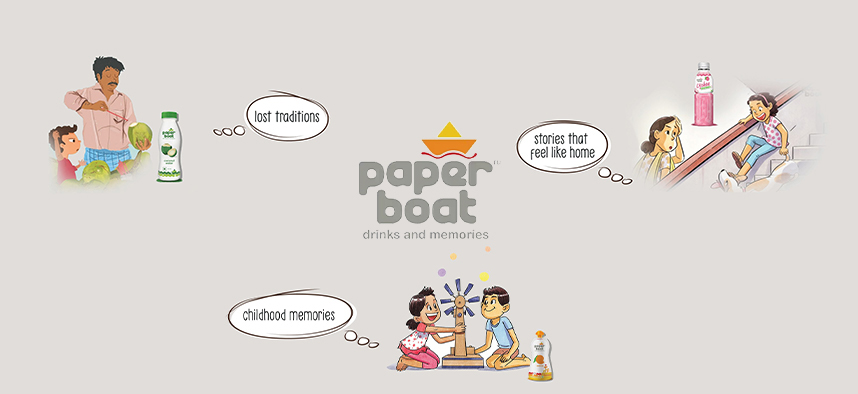
Paper Boat doesn't sell beverages; it sells nostalgia.
Through its packaging, advertisements, and messaging, the brand consistently takes consumers back to childhood memories, summer vacations, and simple moments of joy. Instead of focusing only on ingredients, Paper Boat built an emotional identity around memories and experiences.
As a result, customers connect with the feeling the brand creates, not just the product it sells.
Sweet Karam Coffee
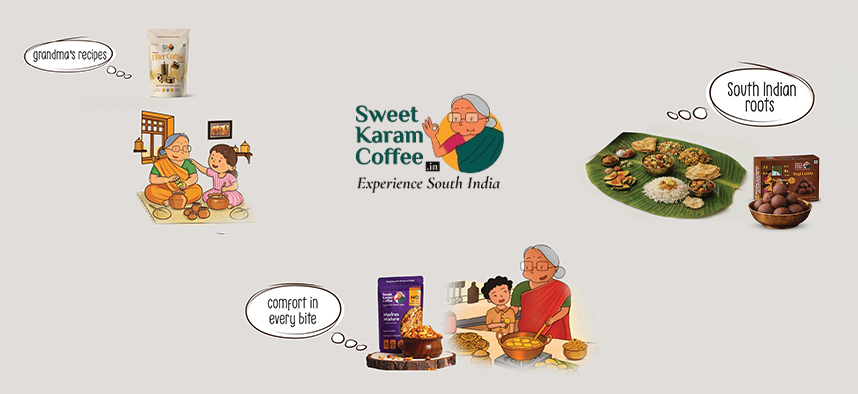
Sweet Karam Coffee has built its brand around preserving authentic South Indian flavors and traditions.
Rather than positioning itself as just another snack brand, it tells stories about heritage recipes, family traditions, regional specialties, and homemade goodness. This storytelling approach helps customers feel connected to their roots while discovering products that carry cultural significance. The brand's success demonstrates how storytelling can transform everyday products into meaningful experiences.
At Cosmos Advertising, we often help brands move beyond selling products and start building emotional connections. The framework below illustrates how storytelling can transform ordinary communication into memorable brand experiences.
6. Consistent Customer Experience
Brand identity extends far beyond visuals and messaging. Every interaction customers have with your business influences how they perceive your brand.
This includes:
- Website usability.
- Customer service quality.
- Product experience.
- Social media engagement.
- Packaging.
- Post-purchase support.
A Common Branding Mistake
Many businesses invest heavily in branding but fail to deliver a matching customer experience. A premium-looking brand paired with poor customer service creates distrust. Strong brands ensure that their experience consistently reflects their promises.
Don't let a forgettable brand hold back a great business
7. Brand Guidelines
As businesses grow, maintaining consistency becomes increasingly challenging. Brand guidelines provide a framework for how your brand should be presented across all platforms.
They typically include:
- Logo usage rules.
- Color specifications.
- Typography guidelines.
- Voice and tone standards.
- Photography direction.
- Content principles.
Why Brand Guidelines Matter
- Ensure consistency.
- Simplify collaboration.
- Improve brand recognition.
- Protect brand integrity.
Without clear guidelines, even great branding can become fragmented over time.
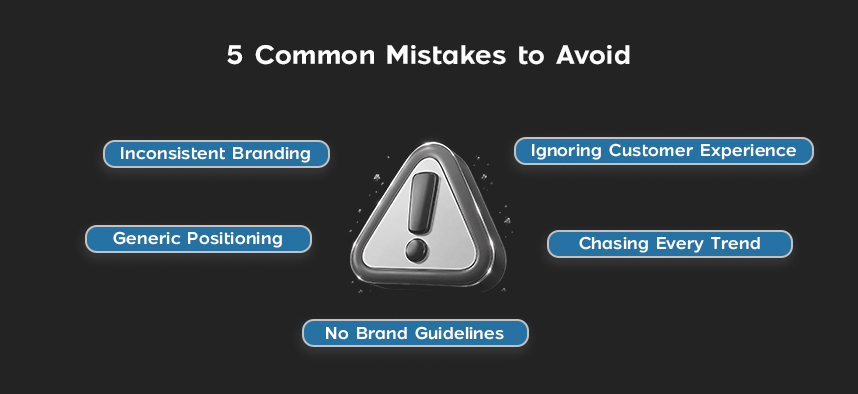
Common Brand Identity Mistakes Businesses Make
Even strong businesses can weaken their brand identity through avoidable mistakes.
How a Strong Brand Identity Drives Business Growth
A well-defined brand identity can directly impact business performance.
1. Greater Brand Recognition
Customers remember and recognize your business more easily.
2. Increased Trust and Credibility
Consistency creates confidence and reduces uncertainty.
3. Stronger Customer Loyalty
People remain loyal to brands they emotionally connect with.
4. Better Marketing Performance
Clear branding improves campaign effectiveness and engagement.
5. Competitive Advantage
A distinctive identity helps your business stand out in crowded markets.
Final Thoughts
A strong brand identity is not built through a logo alone. It is the result of a carefully crafted combination of purpose, positioning, visual design, messaging, storytelling, customer experience, and consistency. When these seven elements work together, they create a brand that customers recognize, trust, and recommend.
In an increasingly competitive business landscape, investing in a strong brand identity isn't just a marketing decision; it's a long-term growth strategy that can influence customer perception, loyalty, and business success for years to come.
The strongest brands win customers long before the first conversation