What Are Brand Guidelines? Why Every Business Needs a Brand Rulebook
Table of Contents
Introduction
Every strong brand you recognize today, whether it's Apple, Nike, or a rising startup, has one thing in common: They all follow a strict system of visual and communication rules.
That system is called brand guidelines.
At Cosmos Advertising, where we build brands that don’t just look good but feel unforgettable, brand guidelines are not optional; they are the foundation of every successful identity.
Without them, a brand becomes inconsistent, forgettable, and easily replaceable.
What Are Brand Guidelines?
Brand guidelines are a structured set of rules that define how a brand should look, speak, and communicate across all platforms and touchpoints. They ensure that every piece of communication, whether it's a social media post, website, advertisement, or packaging, feels like it belongs to the same brand universe.
Is your brand sending mixed messages without you realizing it?
Why Brand Guidelines Matter
In modern branding, consistency is not just design; it is trust, recognition, and revenue impact.
Brand guidelines help businesses:
- Stay visually consistent.
- Communicate with clarity.
- Build emotional recognition.
- Scale without losing identity.
At Cosmos Advertising, this is part of what we define as creative gravity, the ability of a brand to stay consistent while growing in multiple directions.
Also, check out Modern Branding in 2026: AI, Digital Identity & Future Trends.
What Do Brand Guidelines Include?
A complete brand guideline system includes both visual identity and communication strategy.
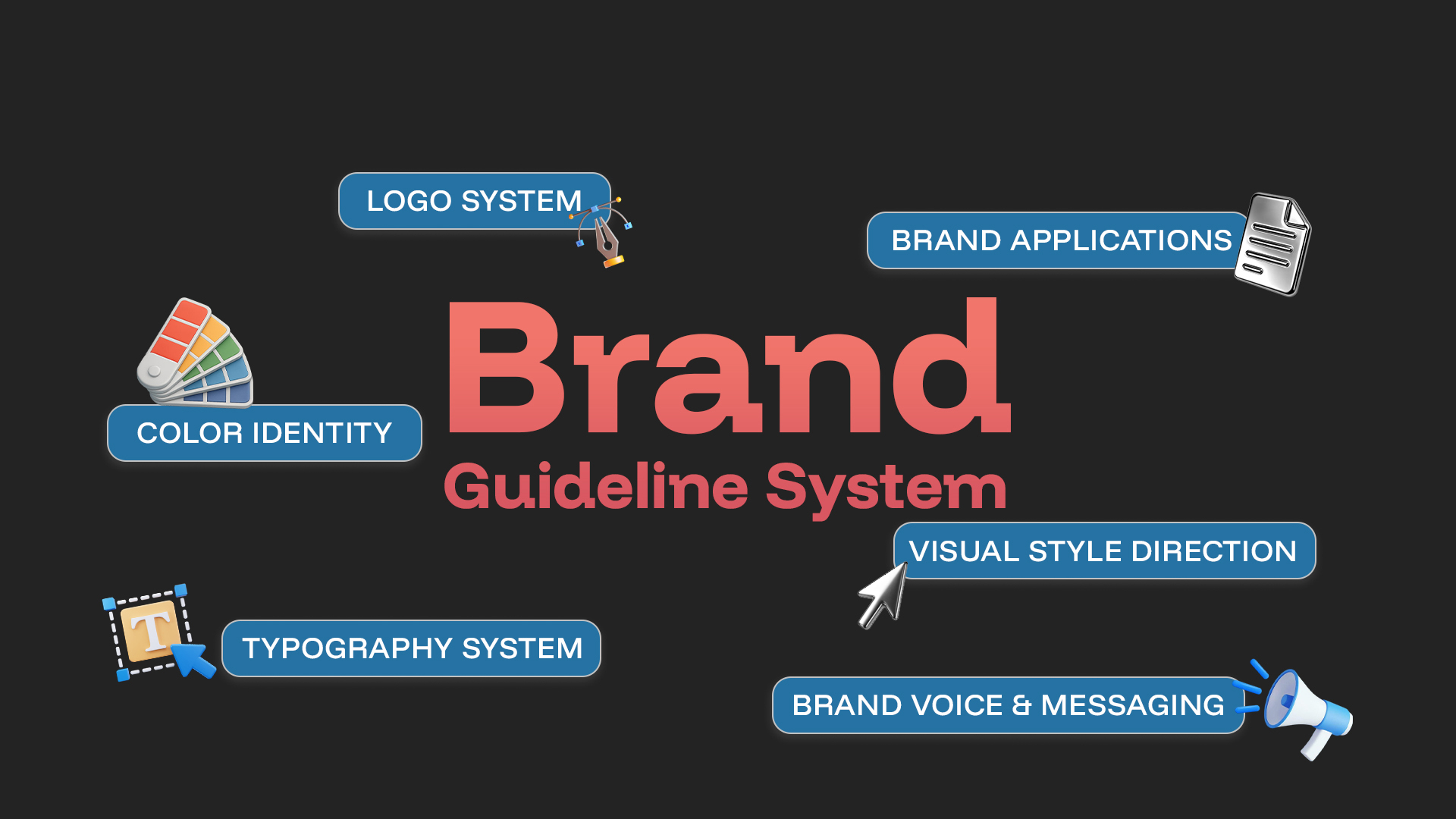
1. Logo System
Defines how your logo behaves across all media:
- Primary and secondary logo versions
- Minimum spacing rules
- Color variations
- Improper usage examples
2. Color Identity
Colors shape perception faster than words.
Brand guidelines define:
- Primary brand colors
- Secondary palette
- HEX, RGB, CMYK values
- Digital vs print usage rules
Is your branding helping you stand out or blend in?
3. Typography System
Typography defines personality.
It includes:
- Headline fonts
- Body fonts
- Font hierarchy
- Spacing and readability rules
4. Brand Voice & Messaging
This defines how your brand sounds.
It includes:
- Tone of voice (formal, bold, premium, friendly)
- Vocabulary rules
- Messaging structure
- Communication style examples
5. Visual Style Direction
This ensures consistency in creative output:
- Photography style
- Graphic elements
- Iconography
- Layout structure
6. Brand Applications
How your brand appears in real-world use:
- Social media templates
- Website design rules
- Advertising layouts
- Print and packaging design
A memorable brand starts with clear guidelines
Why Every Business Needs Brand Guidelines
Whether you're a startup or an established enterprise, brand guidelines are essential for long-term growth.
1. Builds Instant Brand Recognition
People don't remember random visuals; they remember patterns. Consistency helps your audience instantly recognize your brand across platforms.
2. Creates Trust & Authority
A consistent brand looks:
- Professional
- Reliable
- Established
Inconsistent branding creates doubt and reduces credibility.
3. Strengthens Marketing Performance
Marketing becomes faster and more effective when:
- Design decisions are already defined.
- Messaging is aligned.
- Visuals follow a system.
This leads to stronger campaign ROI.
Make every customer interaction instantly recognizable
4. Supports Scalable Growth
As your business expands:
- More teams join.
- More campaigns are created.
- More platforms are used.
Brand guidelines ensure everything stays unified.
5. Prevents Brand Dilution
Without guidelines, your brand becomes inconsistent across:
- Social media
- Ads
- Website
- Packaging
This weakens long-term brand value.
Brand Guidelines vs No Brand Guidelines
The difference between having brand guidelines and operating without them can significantly impact how customers perceive and remember your business.
| Factor | Without Guidelines | With Guidelines |
|---|---|---|
| Visual Identity | Random & inconsistent | Structured & unified |
| Brand Recognition | Low | High |
| Marketing Output | Uncontrolled | System-driven |
| Customer Trust | Weak | Strong |
| Business Growth | Unstable | Scalable |
Don't leave your brand identity to chance
Brand Guidelines in Real Branding
At Cosmos Advertising, brand guidelines are not just documents; they are brand systems that guide perception.
We integrate them into:
- Brand strategy
- Identity design
- Advertising campaigns
- Digital presence
- Packaging & print design
Because a brand is not what you say, it's what people consistently experience.
Real-World Examples of Strong Brand Guidelines
Strong brand guidelines are best understood through globally recognized brands that maintain strict consistency across design, messaging, and customer experience.
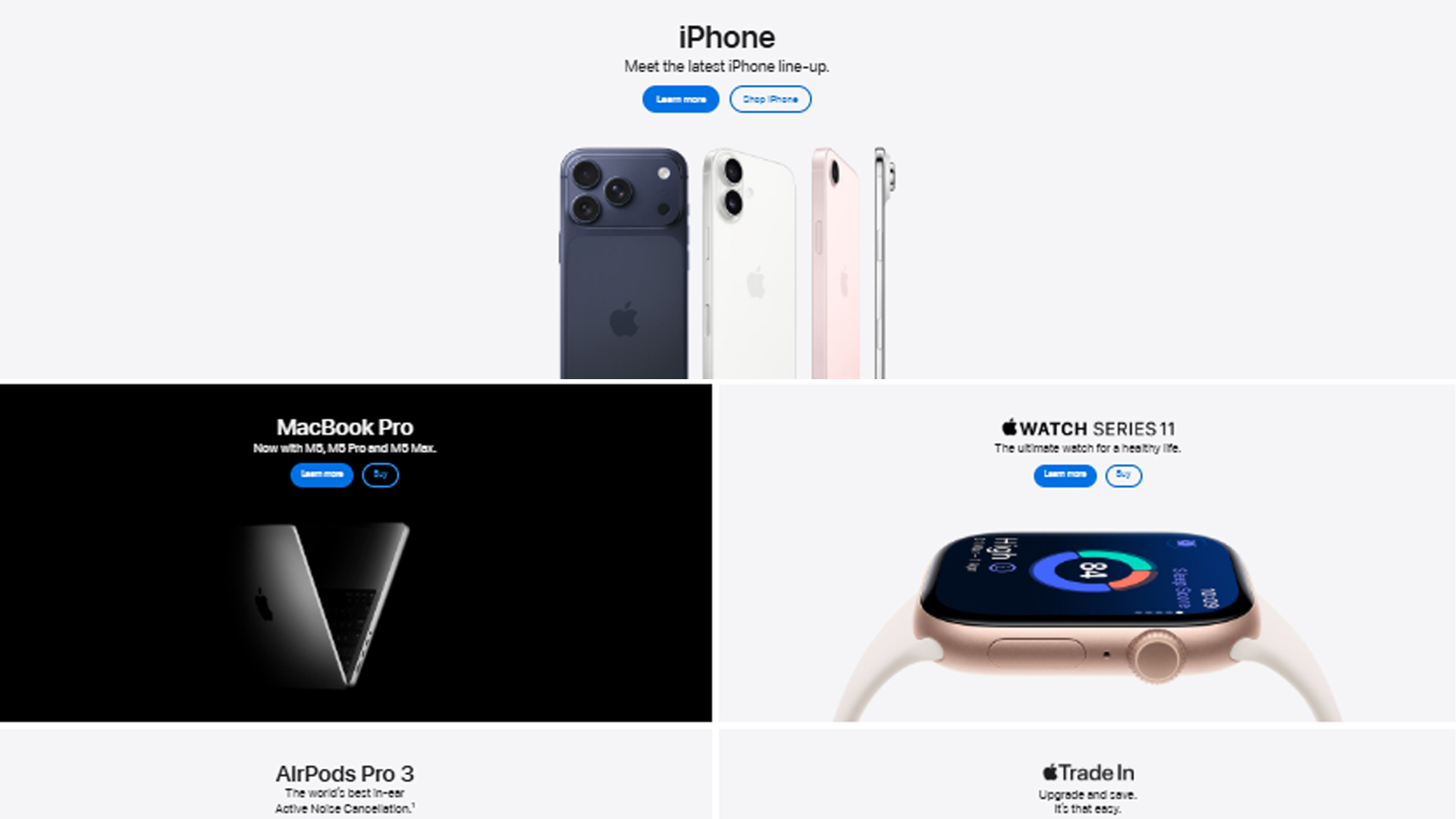
Apple Inc.
Apple’s brand guidelines are built on extreme simplicity and precision. Every element of typography, spacing, packaging, and advertising follows a minimalist system that reinforces a premium, consistent identity across all products.
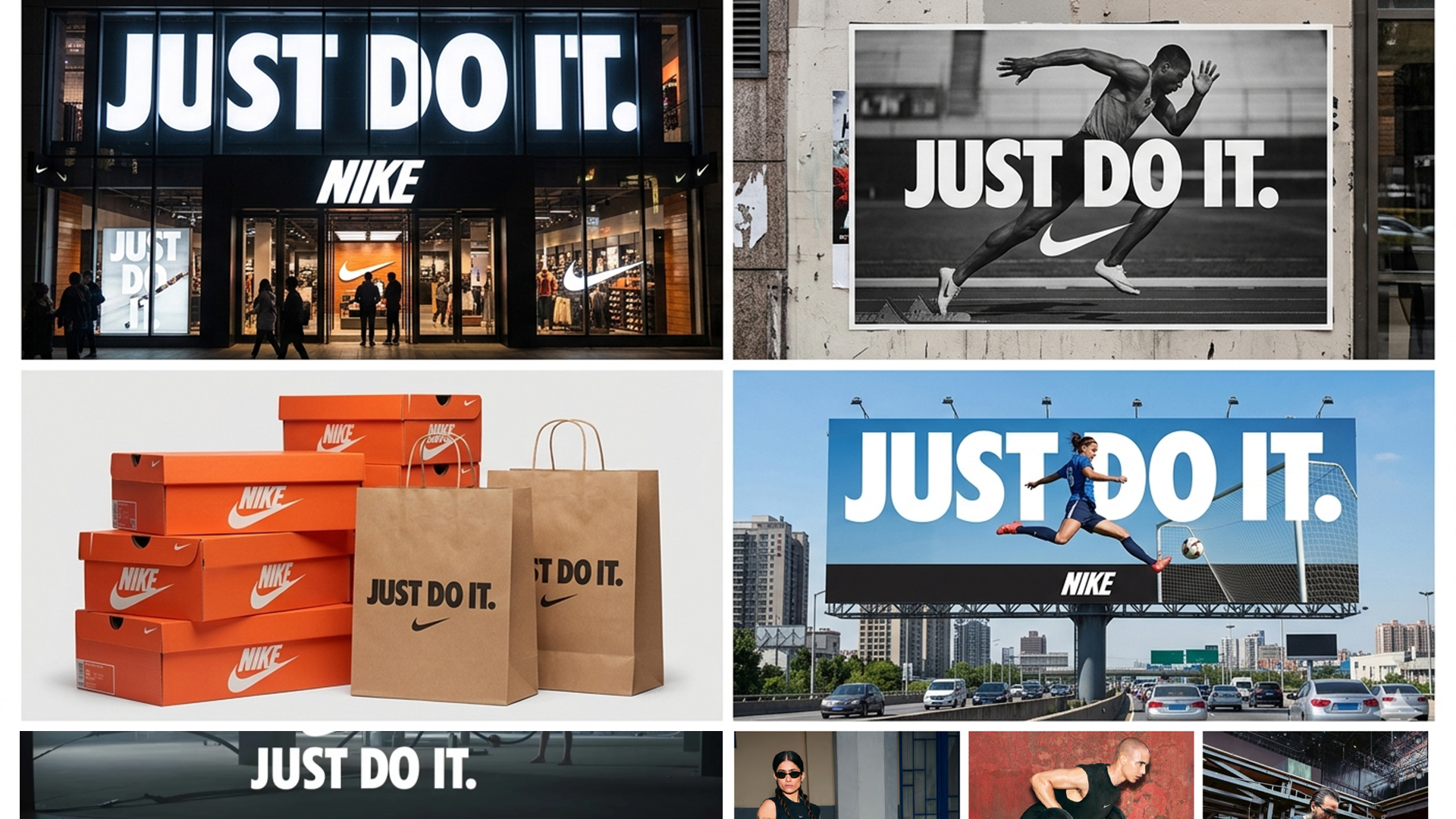
Nike, Inc.
Nike’s guidelines focus on emotional branding and consistency in tone. The brand consistently communicates motivation, performance, and action through its “Just Do It” philosophy across campaigns, products, and digital platforms.
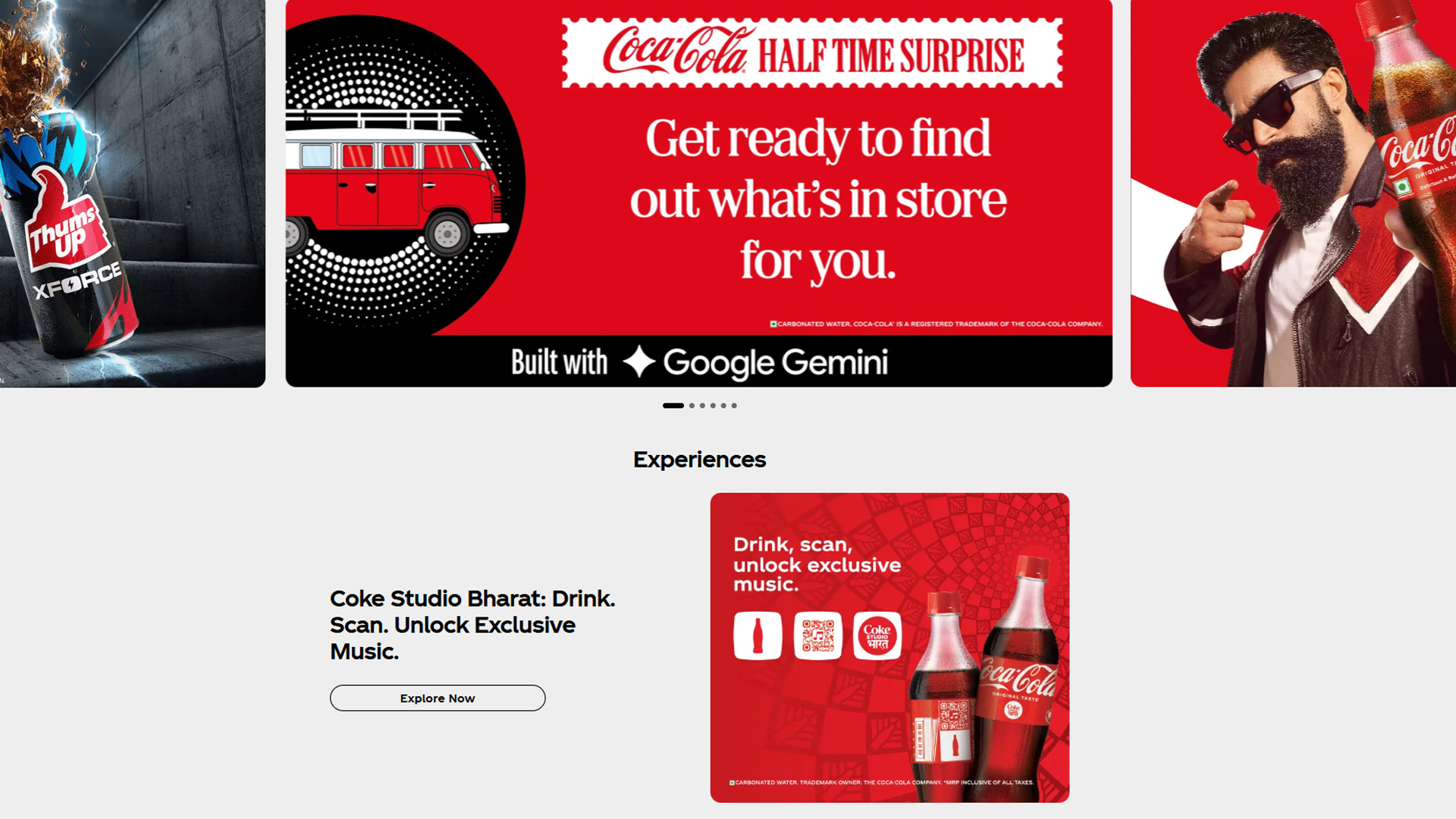
Coca-Cola Company
Coca-Cola maintains one of the most consistent global brand identities. Its strict guidelines control color (iconic red), typography, and emotional messaging centered around happiness, sharing, and positivity across all markets.
These brands don't just design, they systemize perception.
Ready to build a brand people remember?
How to Create Brand Guidelines (Simple Framework)
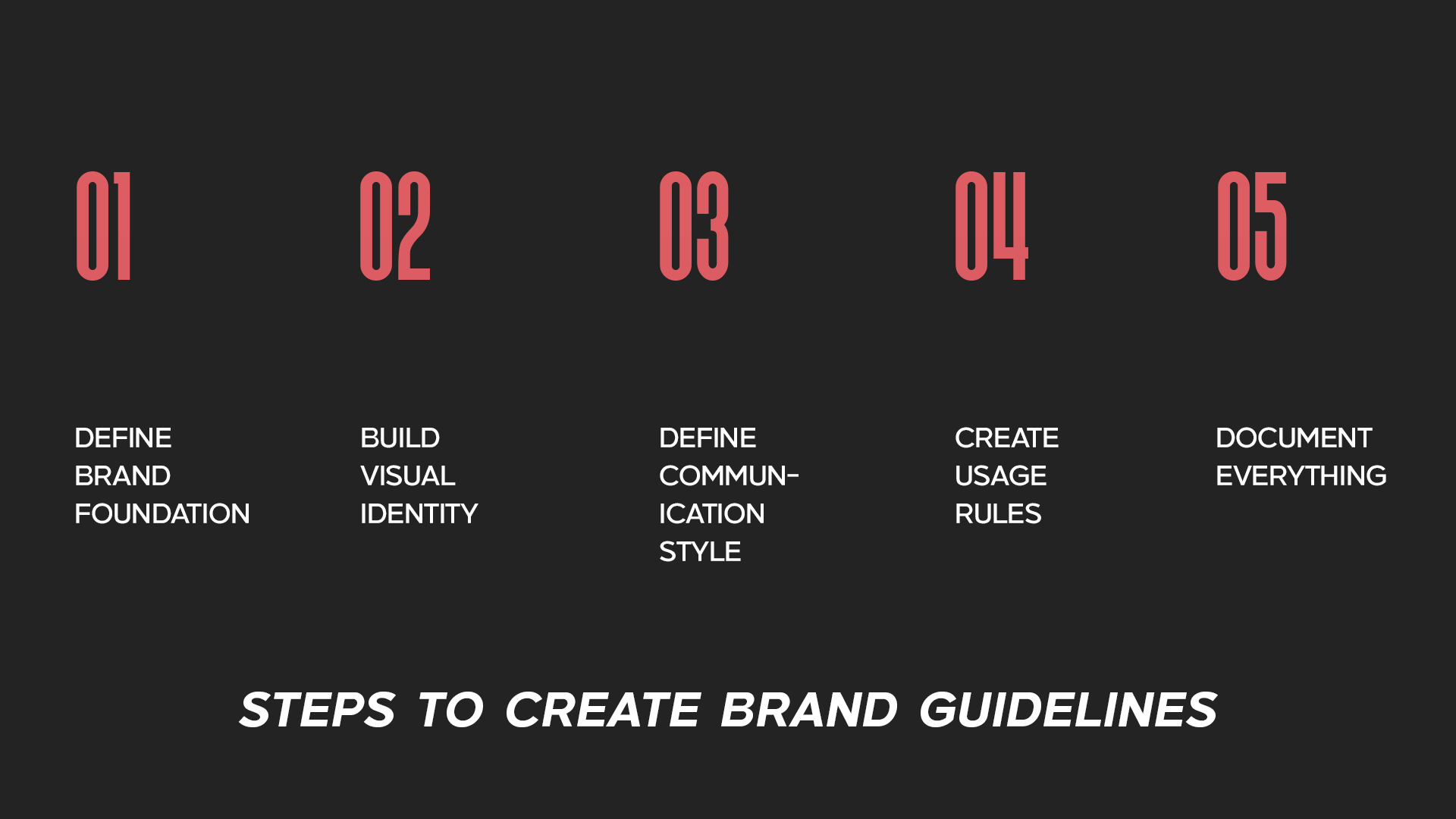
You don't need a 100-page brand manual to get started. A simple, well-structured framework can help your business maintain a professional and consistent brand presence across all channels.
Step 1: Define Brand Foundation
- Mission
- Vision
- Values
Step 2: Build Visual Identity
- Logo system
- Color palette
- Typography
Step 3: Define Communication Style
- Tone of voice
- Messaging rules
Step 4: Create Usage Rules
- Do's and don'ts
- Design consistency rules
Step 5: Document Everything
- Create a structured brand guide (PDF or digital system)
Common Branding Mistakes Businesses Make
Without clear brand guidelines, businesses often send mixed messages that confuse customers and dilute their brand identity. Watch out for these common mistakes.
- No defined identity system.
- Changing visuals across platforms.
- Inconsistent tone of voice.
- No documentation for teams.
- Copying competitors instead of building an identity.
Your competitors can copy products. Not your brand.
Who Needs Brand Guidelines?
Brand guidelines are essential for:
- Startups
- Real estate brands
- Healthcare companies
- FMCG brands
- Tech companies
- Personal brands
- Marketing agencies
If your brand communicates publicly, you need a system.
Frequently Asked Questions
1. What are brand guidelines in simple words?
They are rules that define how a brand should look and communicate consistently.
2. Why are brand guidelines important?
They ensure consistency, build trust, and strengthen brand recognition.
3. What is included in brand guidelines?
Logo rules, colors, typography, tone of voice, and visual systems.
4. Do small businesses need brand guidelines?
Yes, they help small businesses look professional and build trust faster.
5. Are brand guidelines necessary for marketing?
Yes, they ensure all campaigns look and feel consistent across channels.
Conclusion
Brand guidelines are not just a design requirement; they are the foundation of a scalable, recognizable, and trustworthy brand.
At Cosmos Advertising, we believe that strong brands are not created by chance; they are built through structured creativity, strategic clarity, and consistent execution.
If your brand wants to stand out in a crowded market, your first step is not advertising; it is building your brand rulebook.
Every customer touchpoint shapes perception. Make sure yours tells the same story.