A Strategic Comparison of Custom Web Design and Template-Based Websites
Table of Contents
Introduction
In today's digital landscape, your website is often the first impression potential customers have of your business. It serves as your online storefront, sales representative, and brand ambassador all at the same time.
When businesses decide to build or redesign a website, one important question arises:
Should you invest in a custom website or choose a template-based website?
While both options can help establish an online presence, the right choice depends on your business goals, growth plans, branding requirements, and customer expectations.
At Cosmos Advertising, we've worked with businesses across industries to create websites that not only look great but also deliver measurable results. Through our experience, we've seen how different website approaches can impact branding, user experience, SEO performance, and long-term business growth.
Let's explore the strategic differences between custom web design and template-based websites.
Understanding Template-Based Websites
A template-based website is built using a pre-designed layout or theme. Businesses can customize colors, images, content, and certain design elements without developing the website from scratch.
Template websites are popular because they:
- Launch faster
- Require lower initial investment
- Are easy to manage
- Provide a ready-made structure
For startups and businesses with basic requirements, templates can be a practical starting point. However, as businesses grow, they often encounter limitations in customization, performance, and scalability.
Still relying on a template to grow your business?
Understanding Custom Web Design
Custom web design involves creating a website specifically for your business, brand identity, target audience, and objectives. Every element from layout and navigation to functionality and user experience is built around your business requirements.
A custom website allows you to:
- Create a unique brand experience
- Develop custom functionality
- Optimize user journeys
- Improve SEO performance
- Scale as your business grows
Rather than fitting your business into an existing framework, a custom website is designed to support your business strategy.
Custom Website vs Template Website
1. Brand Identity & Differentiation
Template Website
Most templates are designed for mass use across multiple industries. Even after customization, there is often a limit to how unique the final website can become.
As a result:
- Websites may look similar to competitors
- Branding opportunities can be restricted
- User experiences may feel generic
Custom Website
A custom website is designed exclusively around your brand.
This allows businesses to create:
- Unique layouts
- Distinctive visual identity
- Consistent brand storytelling
- Memorable customer experiences
In competitive markets, strong differentiation can significantly influence customer perception.
A beautiful website means nothing if nobody finds it
2. User Experience (UX)
Template Website
Templates are designed for general usability. While functional, they may not align perfectly with your customer journey or conversion goals. Businesses often adjust their content to fit the template.
Custom Website
Custom websites are built around user behavior and business objectives.
Benefits include:
- Strategic navigation
- Conversion-focused layouts
- Improved customer journeys
- Higher engagement rates
Every page can be designed to guide visitors toward desired actions, whether that's generating inquiries, booking consultations, or making purchases.
Also, check out our blog on Website Redesign vs Rebranding - What Growing Businesses Actually Need?
3. SEO Performance
A website's visibility depends on more than just content. Technical SEO factors such as site structure, page speed, indexing, internal linking, and mobile usability play a critical role.
Template Website
While many templates offer basic SEO features, they can sometimes include:
- Bloated code
- Unnecessary scripts
- Excessive plugin usage
- Slower loading speeds
These factors can affect search engine performance.
Custom Website
Custom websites provide complete control over:
- Technical SEO implementation
- Schema markup
- Internal linking structure
- Crawlability
- Core Web Vitals
- Mobile optimization
- URL architecture
This creates a stronger foundation for long-term organic growth.
Most websites look good. Few actually generate revenue.
4. Website Speed & Performance
Website speed directly affects:
- User experience
- Conversion rates
- Bounce rates
- Search engine rankings
Template Website
Many templates include features designed to accommodate multiple industries and use cases. As a result, websites may load unnecessary code that impacts performance.
Custom Website
Custom-built websites only include the functionality required for your business.
This often results in:
- Faster loading times
- Better mobile responsiveness
- Improved Core Web Vitals
- Enhanced user experience
5. Scalability & Future Growth
Template Website
Templates work well for simple websites, but may become restrictive as businesses grow.
Adding advanced features often leads to:
- Plugin conflicts
- Performance issues
- Development limitations
- Custom Website
Custom websites are designed with growth in mind.
Businesses can easily expand functionality by adding:
- CRM integrations
- Customer portals
- E-commerce features
- Booking systems
- Automation workflows
- Membership platforms
Without requiring a complete rebuild.
Your next customer is searching right now. Will they find you?
6. Security & Reliability
Template Website
Templates often rely heavily on third-party plugins and external updates. Each dependency introduces potential security vulnerabilities.
Custom Website
Custom websites generally have:
- Better control over security implementation
- Reduced dependency on unnecessary plugins
- Greater stability
- Improved reliability
7. Cost Considerations
Template Website
Best suited for:
- Startups
- Small businesses
- MVP launches
- Budget-conscious projects
Advantages include:
- Lower upfront investment
- Faster deployment
Custom Website
Best suited for:
- Growing businesses
- Established brands
- Competitive industries
- Long-term digital strategies
Advantages include:
- Better branding
- Higher conversion potential
- Greater scalability
- Improved SEO performance
While the initial investment is higher, custom websites often deliver stronger long-term ROI.
If your website isn't converting, it's costing you business
Real Client Examples: Different Approaches, Different Objectives
Understanding the difference becomes easier when viewed through real-world projects.
Custom Brand Experience
HydraDNA Life
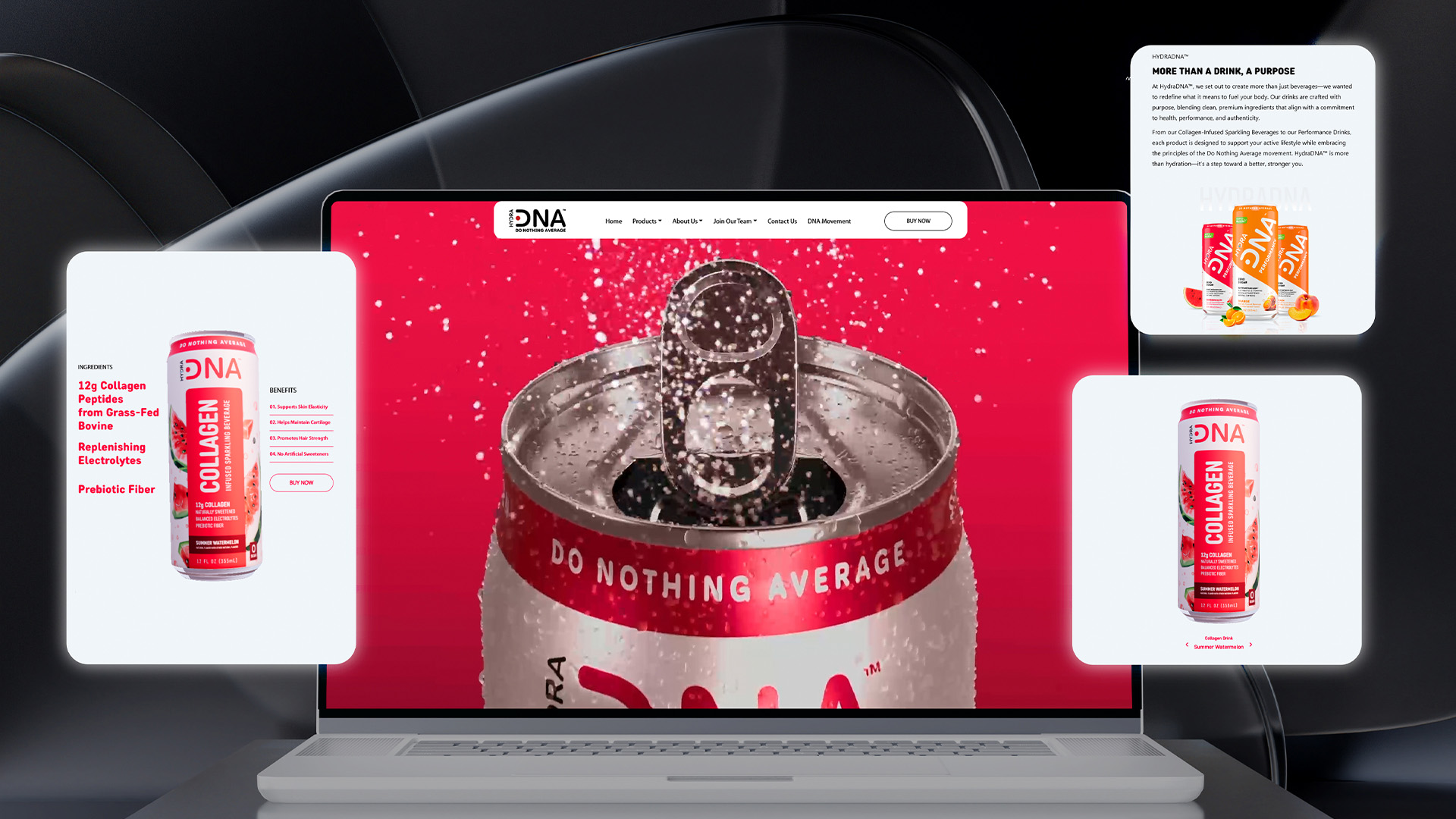
HydraDNA is a brand built around its powerful philosophy: "Do Nothing Average."
To support this positioning, the website needed to be more than a product showcase. It had to create a memorable digital experience that reflected the brand's personality, energy, and vision.
Why a Custom Approach Worked
- Strong brand storytelling
- Unique visual identity
- Custom user journeys
- Dynamic product presentation
- Enhanced engagement opportunities
- Flexible future scalability
Every element of the website was designed to reinforce the brand's message and create a stronger emotional connection with visitors. This is an excellent example of how custom web design can become a strategic branding asset rather than simply a digital presence.
Don't just launch a website. Launch a growth engine.
Structured Business Website
SK Agri Exports
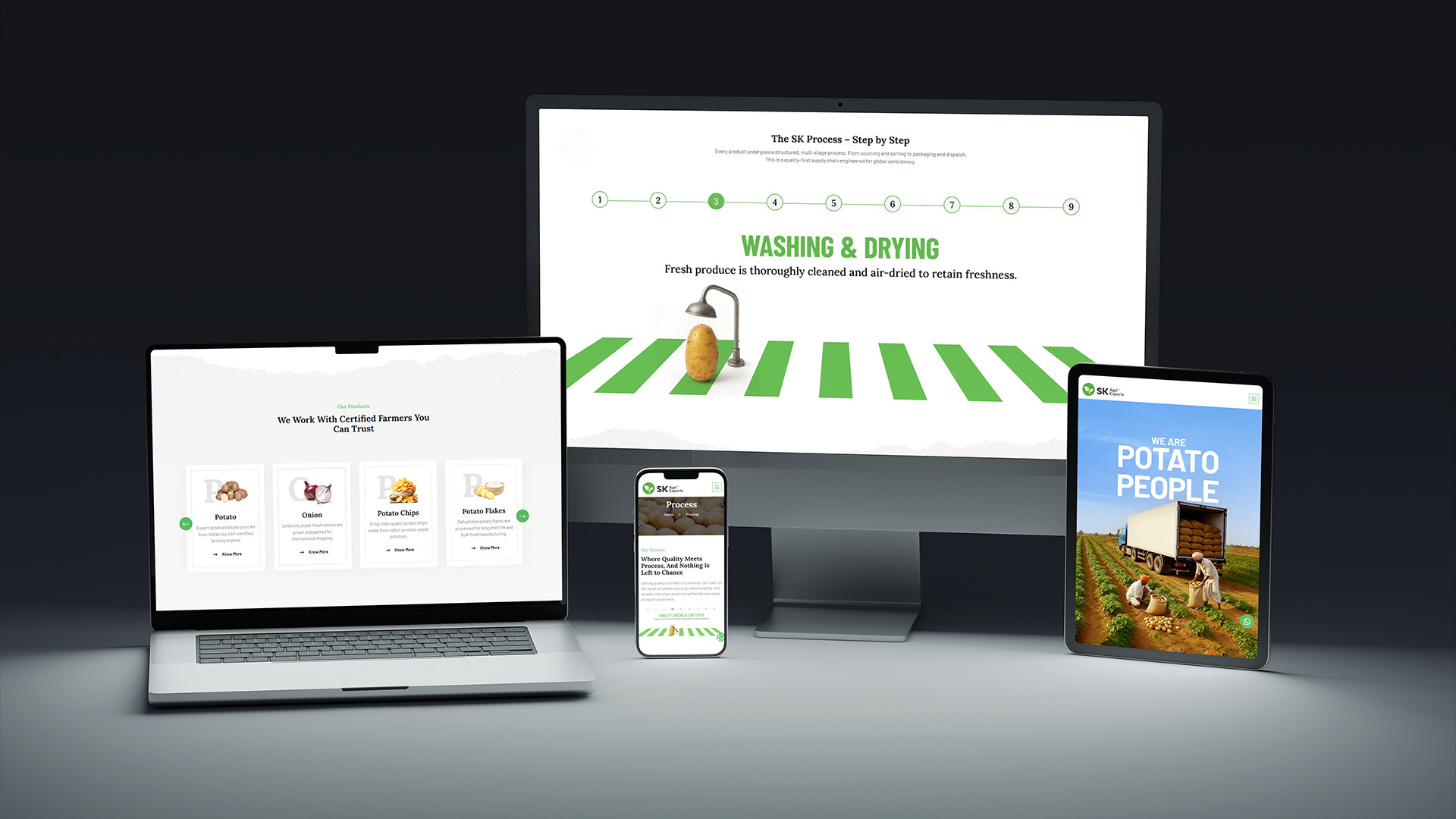
SK Agri Exports operates in a sector where credibility, product information, infrastructure, certifications, and business capabilities are key decision-making factors. The website focuses on delivering information in a clear, organized, and professional manner.
Why This Approach Works
- Straightforward navigation
- Easy access to product information
- Clear presentation of certifications
- Strong business credibility
- Efficient lead-generation structure
For businesses focused on communicating expertise and capabilities, a structured website approach can effectively support business objectives. This demonstrates that not every business requires highly complex functionality. The right website is the one that aligns with business goals.
Quick Comparison Table
| Factors | Custom Website | Template-Based Website |
|---|---|---|
| Brand Uniqueness | Excellent | Moderate |
| SEO Potential | Excellent | Good |
| Website Speed | Excellent | Moderate |
| User Experience | Excellent | Moderate |
| Scalability | Excellent | Limited |
| Security | Strong | Moderate |
| Initial Cost | Higher | Lower |
| Long-Term ROI | High | Moderate |
| Flexibility | Unlimited | Restricted |
| Competitive Advantage | Strong | Limited |
Which Option Should You Choose?
Choose a Template-Based Website If:
- You need a website quickly
- Your budget is limited
- Your requirements are basic
- You're testing a new business idea
- You need a temporary solution
Choose a Custom Website If:
- Your website is a primary marketing tool
- You want stronger SEO performance
- You need a unique brand identity
- You expect future growth
- You require custom functionality
- You want higher conversion rates
Your website should work harder than your sales team
The Cosmos Perspective
At Cosmos Advertising, we don't believe in one-size-fits-all solutions. Some businesses benefit from a structured, functionality-focused website, while others require a fully custom digital experience designed around their brand and customer journey.
Our approach begins with understanding your business goals and creating a website strategy that aligns with them, whether that's generating leads, improving search visibility, increasing conversions, or building a stronger brand presence.
Because ultimately, the best website isn't the most expensive one.
It's the one that helps your business grow.
Final Thoughts
Template websites offer affordability and speed, making them a practical option for businesses getting started online. However, as businesses become more competitive and customer expectations rise, many discover that a custom website provides the flexibility, performance, branding power, and scalability needed for long-term success.
The question isn't simply: "Which website costs less?"
The better question is: "Which website will create the greatest value for my business over the next five years?"
For businesses focused on sustainable growth, stronger branding, and better digital performance, custom web design often proves to be the smarter long-term investment.
Every click is an opportunity. Don't waste it on a mediocre website.